
 Available year-round
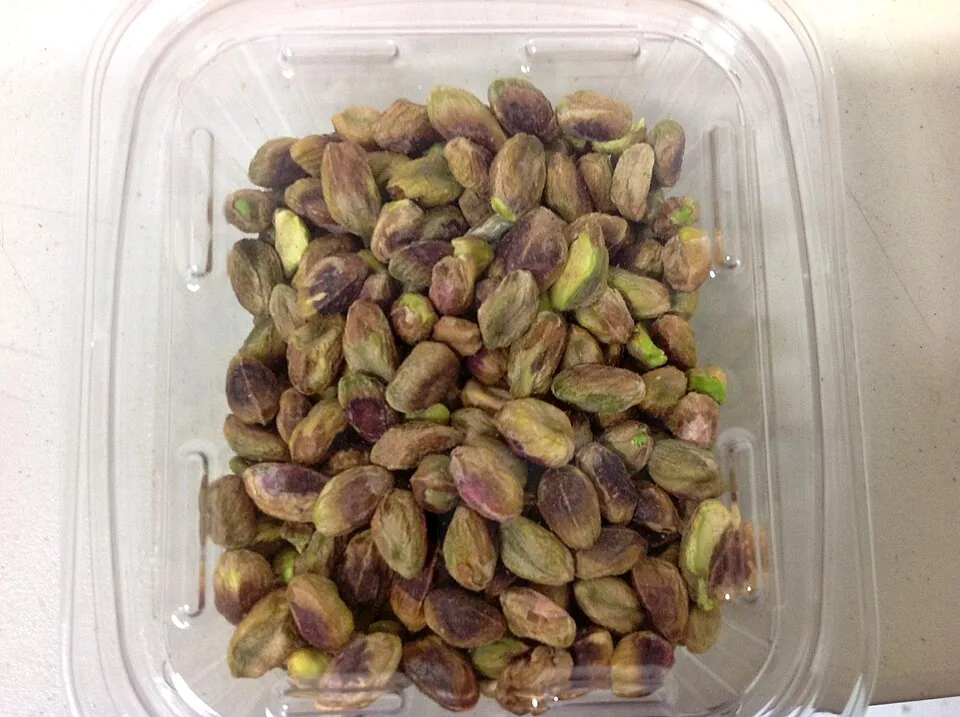
Pistachios Nutrition Facts, Vitamins and Benefits
Pistachios (Pistacia vera) is included in the Topraktan Bilgiler nut & seed library. Per 100 g it provides approximately 560 kcal and includes 1,025 mg potassium, 20.2 g protein, 121 mg magnesium. Values can vary with variety, ripeness, growing conditions and preparation.
Pistachios benefits and place in a balanced diet
- Pistachios provides 10.6 g of dietary fiber per 100 g. Fiber supports normal bowel function and can contribute to fullness as part of a balanced diet.
- A 100 g serving contains about 5.6 mg of vitamin C. Vitamin C contributes to normal immune function, collagen formation and protection of cells from oxidative stress.
- Its potassium content is approximately 1,025 mg per 100 g. Potassium contributes to normal muscle and nervous-system function and the maintenance of normal blood pressure.
- It supplies about 121 mg of magnesium per 100 g. Magnesium contributes to normal energy metabolism and normal muscle function.
- With approximately 20.2 g of protein per 100 g, it can contribute to total daily protein intake. Protein supports the maintenance and growth of muscle mass.
- It contains about 3.9 mg of iron per 100 g. Iron contributes to normal red blood cell formation and oxygen transport; absorption from plant foods varies.
Pistachios nutrition facts
The table covers calories, macronutrients, vitamins, minerals, fatty acids and amino acids where a measured value is available. Values are shown per 100 g and for a 28 g reference serving.
| Nutrient | Per 100 g | 28 g serving |
|---|---|---|
| Core values and macronutrients | ||
| Energy | 560 kcal | 156.8 kcal |
| Water | 4.4 g | 1.2 g |
| Protein | 20.2 g | 5.6 g |
| Total fat | 45.3 g | 12.7 g |
| Saturated fat | 5.9 g | 1.7 g |
| Monounsaturated fat | 23.3 g | 6.5 g |
| Polyunsaturated fat | 14.4 g | 4 g |
| Carbohydrate | 27.2 g | 7.6 g |
| Dietary fiber | 10.6 g | 3 g |
| Total sugars | 7.7 g | 2.1 g |
| Starch | 1.7 g | 0.468 g |
| Ash | 3 g | 0.837 g |
| Cholesterol | 0 mg | 0 mg |
| Minerals | ||
| Calcium | 105 mg | 29.4 mg |
| Iron | 3.9 mg | 1.1 mg |
| Magnesium | 121 mg | 33.9 mg |
| Phosphorus | 490 mg | 137.2 mg |
| Potassium | 1,025 mg | 287 mg |
| Sodium | 1 mg | 0.28 mg |
| Zinc | 2.2 mg | 0.616 mg |
| Copper | 1.3 mg | 0.364 mg |
| Manganese | 1.2 mg | 0.336 mg |
| Selenium | 7 µg | 2 µg |
| Fluoride | 3.4 µg | 0.952 µg |
| Vitamins and vitamin-like compounds | ||
| Vitamin C | 5.6 mg | 1.6 mg |
| Vitamin B1 (Thiamin) | 0.87 mg | 0.244 mg |
| Vitamin B2 (Riboflavin) | 0.16 mg | 0.045 mg |
| Vitamin B3 (Niacin) | 1.3 mg | 0.364 mg |
| Vitamin B5 (Pantothenic acid) | 0.52 mg | 0.146 mg |
| Vitamin B6 | 1.7 mg | 0.476 mg |
| Vitamin B9 (Folate) | 51 µg | 14.3 µg |
| Folic acid | 0 µg | 0 µg |
| Food folate | 51 µg | 14.3 µg |
| Folate, DFE | 51 µg DFE | 14.3 µg DFE |
| Vitamin B12 | 0 µg | 0 µg |
| Vitamin A | 26 µg RAE | 7.3 µg RAE |
| Retinol | 0 µg | 0 µg |
| Beta-carotene | 305 µg | 85.4 µg |
| Alpha-carotene | 10 µg | 2.8 µg |
| Beta-cryptoxanthin | 0 µg | 0 µg |
| Lutein + zeaxanthin | 2,903 µg | 812.8 µg |
| Vitamin E | 2.9 mg | 0.801 mg |
| Vitamin D | 0 µg | 0 µg |
| Fatty acids | ||
| Omega-6 | 14.1 g | 3.9 g |
| Types of sugar | ||
| Sucrose | 6.9 g | 1.9 g |
| Glucose | 0.32 g | 0.09 g |
| Fructose | 0.24 g | 0.067 g |
| Lactose | 0 g | 0 g |
| Maltose | 0.17 g | 0.048 g |
| Amino acids | ||
| Tryptophan | 0.251 g | 0.07 g |
| Threonine | 0.684 g | 0.192 g |
| Isoleucine | 0.917 g | 0.257 g |
| Leucine | 1.6 g | 0.449 g |
| Lysine | 1.1 g | 0.319 g |
| Methionine | 0.36 g | 0.101 g |
| Cystine | 0.292 g | 0.082 g |
| Phenylalanine | 1.1 g | 0.306 g |
| Tyrosine | 0.509 g | 0.143 g |
| Valine | 1.2 g | 0.35 g |
| Arginine | 2.1 g | 0.598 g |
| Histidine | 0.512 g | 0.143 g |
| Alanine | 0.973 g | 0.272 g |
| Aspartic acid | 1.9 g | 0.528 g |
| Glutamic acid | 4.3 g | 1.2 g |
| Glycine | 1 g | 0.283 g |
| Proline | 0.938 g | 0.263 g |
| Serine | 1.3 g | 0.359 g |
| Vitamin details | ||
| Beta-tocopherol | 0 mg | 0 mg |
| Gamma-tocopherol | 20.4 mg | 5.7 mg |
| Delta-tocopherol | 0.8 mg | 0.224 mg |
| Fatty-acid details | ||
| Trans fat | 0 g | 0 g |
| Linoleic acid | 14.1 g | 3.9 g |
| EPA | 0 g | 0 g |
| DHA | 0 g | 0 g |
How many calories are in Pistachios?
100 g (about 3.5 oz) provides approximately 560 kcal. A 28 g reference serving provides approximately 156.8 kcal. Values vary with variety, ripeness and preparation.
How to use Pistachios in the kitchen
Pistachios can be used as a snack ingredient or added to breakfast dishes, salads and recipes. Measure the portion because nuts and seeds are energy-dense.
Related nuts & seeds
Direct USDA records are used where available; closest-profile entries are explicitly labelled and remain approximate. Blank fields mean that the source did not report a value. General information only; not medical advice. Primary composition reference: USDA FoodData Central.